Drunk ASI’s rampage puts Chandigarh Police under scrutiny
Chandigarh Police pulled up over drunk ASI’s late-night driving rampage
The Chandigarh Police Complaint Authority (PCA) has raised serious questions after an assistant sub-inspector (ASI) allegedly drove a car in a drunken state and crashed into almost a dozen vehicles, including a school bus. The incident took place on Kaimbwala Road behind Sukhna Lake and has triggered strong criticism about police accountability and internal discipline. The PCA has also questioned why the police did not register a criminal case despite several officers witnessing the entire episode.
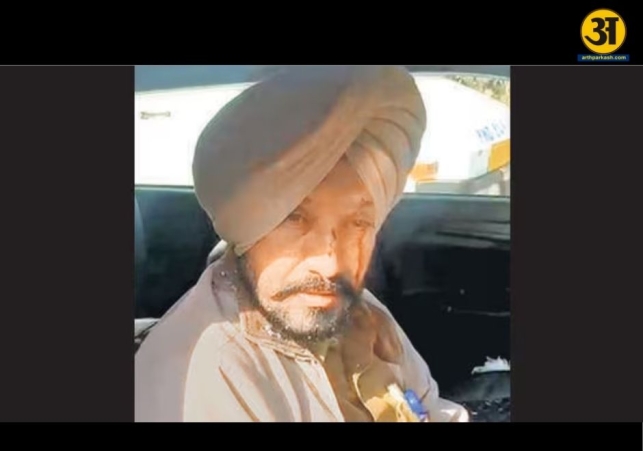
The incident happened on Wednesday morning and immediately drew public attention because of the dangerous nature of the reckless driving and because the accused officer belonged to the security wing of Chandigarh Police. Video clips from the site, which circulated widely on social media, showed officers struggling to pull the ASI out of his damaged car. He appeared severely intoxicated, bleeding from his forehead and eye, and unable to stand properly. Fortunately, no children travelling in the school bus were harmed.
Authority questions lack of FIR despite police witnesses
A three-member bench of the Chandigarh PCA — chaired by retired Justice Kuldip Singh along with retired IPS officer Amarjot Singh Gill and retired IAS officer Dheera Khandelwal — took suo motu cognisance of the case. The authority expressed deep concern that no First Information Report (FIR) was registered against ASI Daljit Singh even though police personnel themselves witnessed the entire sequence of events.
According to reports examined by the PCA, the ASI was posted with the security wing but had been absent from duty without informing his superiors. On Wednesday morning, when he finally reported for work, he was allegedly heavily intoxicated. Seeing his condition, officers immediately suspended him. However, despite the suspension, he left the premises in his car and began driving recklessly on Kaimbwala Road, causing a chain collision involving nearly 12 vehicles.
The PCA bench asked the Chandigarh Police to explain why Sections 125 and 281 of the Bharatiya Nyaya Sanhita (BNS) — which relate to rash driving and causing damage — were not invoked. Instead, police stated that since no formal complainant came forward, they issued only a challan under Section 185 of the Motor Vehicles Act, which deals with drunk driving. This reasoning was strongly questioned by the authority.
The PCA pointed out that the police did not need a complainant in this situation. Since officers were present during the entire incident, the police themselves were direct witnesses and therefore required to register a criminal case. The order specifically stated: “When police itself is a witness to the crime, why were they looking for a complainant and did not register the case under Sections 125 and 281 of BNS?”
The authority also highlighted that such behaviour by a police officer not only endangers the public but also erodes public trust in the law enforcement system. Allowing the situation to go without proper criminal action sends the wrong message, especially when the accused is an officer who is expected to enforce the law.
ALSO READ: 150 years of Vande Mataram: BJP, Congress clash over missing stanzas
ALSO READ: Government expands crackdown by banning 23 organisations under UAPA in five years
PCA seeks detailed report and action from Chandigarh Police
The PCA issued a show-cause notice to the senior superintendent of police (SSP) and directed him to provide a detailed report by December 11. The report must include the ASI’s medical examination results, details of the damage caused to all the vehicles involved, including the school bus, and reasons for the failure to register an FIR. The authority also asked the police to explain what disciplinary steps were taken immediately after the incident, apart from the suspension.
Eyewitness videos showed that the ASI’s car was severely damaged from the impact of the multiple collisions. It took several officers to pull him out because he appeared disoriented and was bleeding. The PCA noted that such visual evidence clearly supports the need for a stronger and lawful response than just issuing a drunk-driving challan. The commission emphasised that driving under the influence of alcohol is a serious criminal offence, especially when it results in property damage or endangers lives.
The PCA’s intervention highlights growing concerns about the conduct and discipline of police personnel. When an officer responsible for maintaining public safety becomes the cause of a dangerous situation, it raises critical questions about internal monitoring, supervision, and timely action by the department. The authority stressed the need for accountability, stating that police personnel must face the same legal procedures as any other citizen.
The incident also renewed discussions about the role of police complaint authorities in ensuring transparency and fairness. Suo motu action by the PCA in this case reflects its responsibility to protect public interest when departmental actions appear inadequate.
The Chandigarh Police now face pressure to act decisively, submit the required report, and also ensure that such incidents do not repeat. The PCA’s directions aim to uphold accountability and reinforce the message that violations of the law by police personnel will not be tolerated.
As investigations continue, questions remain about the internal controls within the police department that allowed a visibly intoxicated officer to get behind the wheel and cause widespread damage. The incident has drawn criticism not just for the officer’s behaviour but also for the initial response from the police. The PCA’s strong stance ensures the matter will receive deeper scrutiny, pushing the police to respond with transparency and corrective measures.
Related News